Mental health conversations usually focus on therapy, medication, or major lifestyle changes. People talk about meditation apps, exercise routines, or expensive wellness retreats. What gets overlooked is how simple physical comfort affects your emotional wellbeing on a daily basis.
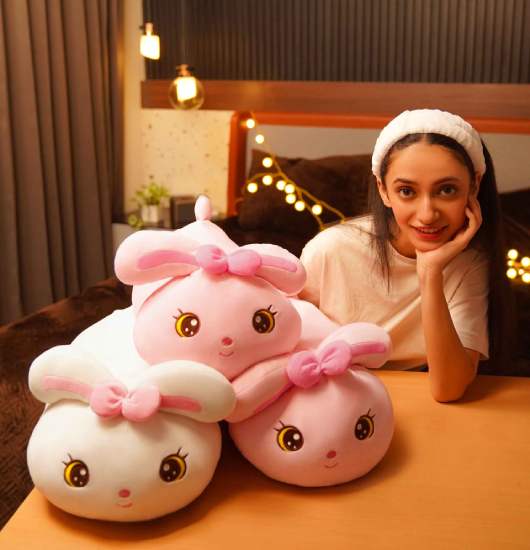
The connection between touch and mental health runs deeper than most people realise. Brands like Eroloc design cuddle pillows that tap into this fundamental human need for comfort and security. These aren’t just soft accessories – they’re tools that can genuinely support your psychological wellbeing in ways that might surprise you.
Your brain doesn’t distinguish between a hug from a person and the pressure from holding something soft and substantial. The same neurochemical responses happen either way. This means cuddle pillows can provide mental health benefits that go far beyond what you’d expect from a simple home comfort item.
Let’s explore how something as basic as a pillow can become part of your mental wellness toolkit.
Your Nervous System Craves Physical Pressure
Stress shows up in your body before you’re consciously aware of it. Your shoulders tense. Your jaw clenches. Your breathing becomes shallow. These physical changes happen automatically when your nervous system detects threats – even minor ones like work deadlines or family disagreements.
Deep pressure therapy works by giving your nervous system a different signal to focus on. When you hold or lean against a cuddle pillow, the gentle weight and pressure activate your parasympathetic nervous system. This is the part responsible for “rest and digest” responses rather than “fight or flight” reactions.
The pressure doesn’t need to be intense to be effective. Simply having your arms around something substantial changes how your body processes stress signals. Your heart rate slows. Your breathing deepens. Muscle tension starts to release without you consciously trying to relax.
Sleep Quality Directly Impacts Mental Health
Poor sleep and mental health problems feed into each other in destructive cycles. Anxiety makes it harder to fall asleep. Depression disrupts sleep patterns. Poor sleep makes emotional regulation more difficult the next day.
Breaking these cycles often requires addressing multiple factors at once. Sleep hygiene, stress management, and physical comfort all play roles in creating better rest patterns.
Cuddle pillows improve sleep quality in ways that specifically benefit mental health. Having something to hold reduces the restless movement that often accompanies anxious thoughts at bedtime. The physical comfort helps quiet the mental chatter that keeps many people awake.
For people who sleep alone, cuddle pillows eliminate the psychological discomfort of empty bed space. The presence of something soft and substantial creates a feeling of security that makes falling asleep easier.
The improved sleep quality that comes from better physical comfort has direct mental health benefits. Better rest means better emotional regulation, clearer thinking, and more resilience to daily stressors.
Sleep specialists often recommend weight and pressure as sleep aids, but weighted blankets can be too hot or restrictive for some people. Cuddle pillows provide similar pressure benefits with more flexibility and temperature control.
The relationship between comfort and sleep quality becomes especially important during stressful periods. When life circumstances are challenging, having reliable sleep support helps maintain emotional stability.
Emotional Regulation Gets Easier With Physical Comfort
Managing difficult emotions requires mental energy. When you’re upset, angry, or overwhelmed, finding healthy ways to process these feelings can be exhausting. Physical comfort provides a foundation that makes emotional regulation less demanding.
Think about how children naturally reach for comfort objects when they’re distressed. This instinct doesn’t disappear in adulthood – it just gets suppressed by social expectations about what’s appropriate for grown-ups.
Cuddle pillows bridge this gap by providing comfort in a form that feels suitable for adults. You can hold them during difficult phone calls, while processing bad news, or when working through relationship problems.
Physical comfort doesn’t solve emotional problems, but it creates space for healthier processing. When your body feels secure, you’re less likely to react from a place of panic or desperation. You have more capacity for thoughtful responses rather than emotional reactions.
For those dealing with grief, trauma, or major life changes, having consistent access to comfort becomes even more important. The pillow provides stability during periods when everything else feels uncertain.
Social Anxiety and Comfort Objects
Social situations often trigger anxiety responses that make genuine connection more difficult. When you’re worried about judgement or rejection, it’s hard to relax and be yourself around others.
Having subtle comfort available during social interactions can reduce this anxiety. A cuddle pillow on your lap during movie nights or casual gatherings provides gentle pressure that helps regulate your nervous system without drawing attention.
This doesn’t mean bringing pillows to every social event. It means creating comfortable environments in your own space that make socialising feel less stressful for everyone involved.
People notice when environments feel welcoming and comfortable, even if they can’t identify specific reasons why. Guests relax more when they have access to proper support and comfort options.
The confidence that comes from feeling physically comfortable in social settings often translates into better emotional comfort as well. When your body isn’t fighting discomfort, you have more mental resources available for connecting with others.
This principle applies to family gatherings too. Holiday stress, family tensions, and crowded spaces become more manageable when everyone has access to physical comfort that helps regulate their stress responses.
The Science Behind Comfort and Wellbeing
Research on touch and mental health consistently shows connections between physical comfort and psychological wellbeing. The pressure and warmth from holding soft objects triggers the release of oxytocin, often called the “bonding hormone.”
The cumulative effects of small comfort practices add up to significant mental health benefits over time. What starts as simply enjoying a soft pillow can become part of a comprehensive approach to emotional wellbeing.
Perhaps the most important finding is that these benefits are accessible to everyone. You don’t need expensive therapy or complicated interventions. Sometimes the most effective mental health support comes in the form of something as simple as a cuddle pillow that’s there when you need it most.
Featured Image Source: https://eroloc.com/products/breezy-bunny-cuddle-pillow-sweet-soft-cushion-unique-room-decor
