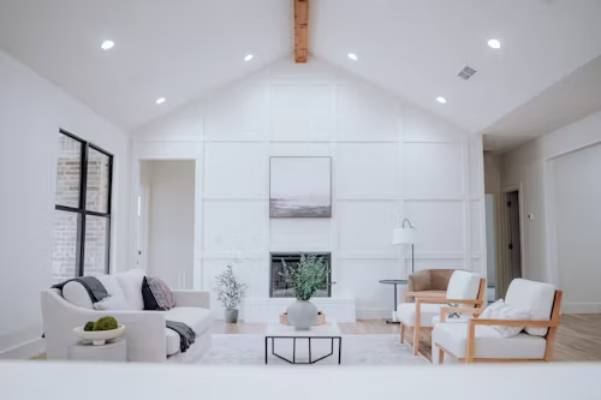
Home Design – A Popular Way to Improve the Look of Your House

Home design is a popular way to improve the look of a house. Home designers, interior designers, and architects can do it.

Design professionals reveal the colors, materials, and styles that homeowners most request. From layered rugs to teal walls, these ideas will give your home an on-the-pulse, elevated style.

Colors

Color is one of the most important components when designing a home. It can set the mood of a space, make it feel larger or smaller, and attract or repel visitors. It also has a psychological effect on people. Certain colors are soothing, while others can energize.

Limiting your color palette to 3 to 5 shades is a good rule of thumb. Less than that can feel matchy-matchy and more than that could be overwhelming. It’s also important to choose the right proportions for each shade.

Blue is often seen as a soothing shade, which makes it perfect for bedrooms or spaces where people want to relax and unwind. Green hearkens back to nature and symbolizes balance, growth and harmony. Yellow is a vibrant and energetic shade that can energize a room, which is why it’s often used in kitchens or living spaces.

Purple is a dramatic and intense shade that can be used to add interest to a room. It can be a great option for dining rooms or even hallways.

Shapes

Shapes play a large role in the aesthetic of a home and can be utilized throughout furniture, millwork, light fixtures, decorative accessories, and more. Whether they are geometric (squares, triangles, etc.) or organic (round, oval, or freeform shapes), each shape has its own unique effect on the overall feeling of a space.

For example, circular shapes evoke a sense of unity and harmony, which can be perfect for living rooms or other gathering areas. On the other hand, square shapes convey strength and stability, making them a great choice for foundational elements like doors or walls.

Geometric shapes can also be used to add a subtle level of design interest, such as herringbone patterns in floor tile, backsplashes, or upholstery. The use of shapes can also be a good way to define different areas within an open concept floor plan. For example, a curved sofa or unique area rug can help to distinguish a seating area from the rest of the room. You can also use the shape of a light fixture or piece of furniture to draw attention to a focal point, making it easier for people to navigate a large space.

Materials

Materials can play a big role in home design, adding texture and visual interest. Choosing the right material can also make your home more comfortable. There are many different types of materials, from wood and stone to cotton and wool. Different materials will have different effects, so it’s important to experiment with them.

Natural materials are becoming increasingly popular for their warmth and authenticity. They can also add unique textures and a sense of connection to the natural world. In addition, they’re often sustainable and help to reduce a home’s environmental impact.

When it comes to home designs, you need to consider the style and function of a room before selecting the right materials. For example, if you’re designing a kitchen, you’ll want to choose durable materials that can withstand wear and tear. You’ll also want to select materials that are easy to clean and maintain. This will save your clients time and money in the long run.

Patterns

Adding decorative patterns to your home is one of the best ways to express your style. These can be in the form of wallpaper, drapery, upholstery, blankets, and other accessories. They are a great way to add interest and depth to a space, while also creating a focal point. They can also be a great way to introduce color into a room.

When choosing a pattern, it is important to make sure that it is appropriate for the surface on which it will be used. For example, a small floral pattern may look overwhelming on a large area rug. Similarly, an intricate pattern may overwhelm a piece of artwork. The key is to choose a simple pattern that complements the piece it is being used on.

While many people fear mixing patterns, it is a wonderful way to create a unique and bespoke space. Whether you’re a maximalist or prefer a more minimalist approach, there’s a combination of patterns that will suit your personality and reflect your personal style. By carefully combining different motifs and color schemes, you can create a unified and balanced design that will add a beautiful touch to your home.

Lighting

Lighting has a significant role in the overall design of your home. It can accentuate architectural features, highlight focal points, and create a variety of moods. It can also enhance the style of furnishings and add a personal touch to your home.

Lighting also helps to ensure safety in areas like stairs and hallways, reducing the risk of accidents. It also provides flexibility by allowing you to change the color and intensity of the lights depending on your mood and activities.

Accent lighting can highlight a fireplace or artwork while ambient lighting is ideal for the living room. Recessed lights can be used in the kitchen and bathroom, while wall sconces can work well for bedrooms.

An architect or designer should develop a good lighting plan early in your project to avoid delays and keep costs down. This is particularly important if you are going to install an audiovisual system. Consider whether you want the light controls to be part of this system or separate. This will impact where switches are placed.

Featured Image Source: https://images.unsplash.com/photo-1648475237029-7f853809ca14
The Problem With “Growth at All Costs” Mindset

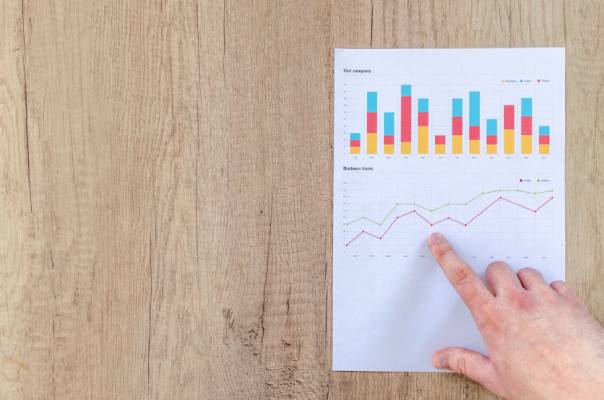
It’s the mantra echoing through startup accelerators, venture capital firms, and entrepreneurial conferences worldwide: growth above everything else. More users. More revenue. More markets. More, more, more—and faster.

This obsession with exponential growth has become so normalized that questioning it feels almost heretical in business circles. After all, who doesn’t want their company to grow?

But beneath this seemingly obvious pursuit lies a dangerous trap that has swallowed countless promising businesses—and the careers, mental health, and life savings of the people who built them.

The Growth Trap Everyone Falls Into

The pattern plays out with disturbing regularity:

A company launches with genuine promise and initial traction. Investors take notice. Term sheets appear. With fresh capital comes increased expectations for rapid expansion. Growth becomes the singular focus. Everything else—culture, sustainability, unit economics, even the original mission—becomes secondary.

What follows is a frantic race to hit growth targets that often have little connection to building a viable long-term business. Teams work unsustainable hours. Quick fixes replace thoughtful solutions. Ethical corners get cut. Balance sheets deteriorate while vanity metrics soar.

And then reality hits.

The Hidden Costs Nobody Talks About

The “growth at all costs” mindset creates devastating consequences that rarely make headlines:

Financial Destruction in Plain Sight

The most obvious casualty is capital efficiency. Companies burning cash for growth routinely discover too late that they’ve built fundamentally unprofitable businesses. They’ve simply bought revenue through unsustainable customer acquisition costs, creating an illusion of success while marching toward insolvency.

Consider these sobering statistics:

  • 70% of VC-backed startups fail due to premature scaling
  • The average failed startup raises 47% more money in early rounds than successful ones
  • Only 1 in 12 companies pursuing hyper-growth achieve sustainable profitability

The tragic irony? Many businesses destroy themselves pursuing growth they weren’t ready for—growth that actually accelerated their demise rather than preventing it.

The Human Collateral Damage

Behind every failed growth-obsessed company are the people who sacrificed everything for an unsustainable vision:

  • Founders who neglected their health, relationships, and financial security
  • Employees who burned out from constant crisis mode and pivots
  • Early customers who were abandoned when they no longer served growth metrics
  • Communities that experienced the whiplash of rapid expansion followed by sudden layoffs

This human toll represents incalculable lost potential—talent, creativity, and passion squandered in pursuit of artificial growth targets disconnected from value creation.

The Innovation Casualty

Perhaps most concerning is what happens to actual innovation when growth becomes the sole focus. Companies shift from solving meaningful problems to chasing metrics, leading to:

  • Products bloated with features nobody wants but that drive engagement metrics
  • Customer experience sacrificed for short-term conversion optimization
  • Core value propositions abandoned for whatever drives immediate growth
  • Resources diverted from genuine innovation to growth hacking tactics

The result? Businesses that grow quickly but build nothing of lasting value.

Why Smart Companies Choose Sustainable Growth

While the business media celebrates the latest unicorn valuations and growth stories, a quieter revolution is taking place. Companies across industries are rejecting the “growth at all costs” dogma in favor of methodical, sustainable approaches.

These organizations aren’t anti-growth. They simply recognize that healthy growth comes from creating genuine value, not from manufacturing vanity metrics to satisfy investors or massage founder egos.

The results speak for themselves:

  • Bootstrapped companies have a 50% higher 5-year survival rate than VC-backed counterparts
  • Companies with sustainable growth models report 37% higher employee retention
  • Businesses prioritizing profitability over growth raise 4x less capital but achieve similar outcomes

Perhaps most telling: when market conditions tighten, companies built on sustainable growth principles rarely face existential crises. They’ve built resilient models that can weather storms rather than houses of cards that collapse under the slightest pressure.

The Sustainable Growth Framework

Forward-thinking companies are adopting fundamentally different approaches to growth—frameworks built around sustainability rather than artificial acceleration:

1. Value-First Growth

Instead of growth driving value, these companies ensure value drives growth. They obsessively focus on creating genuine value for customers, believing that meaningful metrics will follow naturally from solving real problems exceptionally well.

This approach creates a virtuous cycle: happy customers drive organic growth through referrals and word of mouth, reducing acquisition costs while increasing retention and lifetime value.

2. Unit Economics Before Scale

Smart companies achieve profitability at the unit level before pursuing significant scale. They ensure each customer interaction is economically viable rather than hoping volume will eventually solve fundamental business model problems.

This discipline prevents the common trap of growing yourself out of business—adding more customers who cost more than they generate in lifetime value.

3. Intentional Pacing

Perhaps most counterintuitively, these companies deliberately control their growth rate. They recognize that every organization has a natural growth capacity—expanding faster creates instability that ultimately undermines long-term success.

By keeping growth within manageable bounds, they maintain quality, culture, and focus while avoiding the common death spiral of declining quality leading to higher churn requiring even more aggressive growth.

The Warning Signs You’re Sacrificing Sustainability for Growth

How can you tell if your organization has fallen into the growth-at-all-costs trap? Watch for these warning signals:

  • Customer acquisition cost exceeding lifetime value
  • Declining retention rates as you scale
  • Culture deterioration and increased team turnover
  • Constant fire-fighting rather than strategic progress
  • Growing faster than your systems, processes, and people can handle
  • Measuring activity metrics rather than value-creation metrics

Each of these indicates that you’re likely trading long-term viability for short-term growth—a bargain that rarely ends well.

The Path Forward

Breaking free from the growth obsession doesn’t mean abandoning ambition. It means redirecting that ambition toward building something genuinely valuable and durable rather than chasing illusory growth targets.

The shift requires courage—especially when investors, board members, or industry peers pressure you toward unsustainable expansion. But leaders who make this transition discover something remarkable: sustainable growth actually creates more value over time than the boom-and-bust cycle of growth obsession.

The process starts with fundamental questions many companies never stop to ask:

  • What genuine problem are we solving, and how well are we solving it?
  • Are we creating more value than we’re capturing?
  • Could we survive and thrive without additional funding?
  • Is our growth coming from value creation or value extraction?
  • Are we growing at a pace that maintains or improves quality?

Companies that honestly confront these questions often discover they’ve been pursuing growth at the expense of the very things that would make that growth meaningful and sustainable.

The Uncomfortable Reality

The hardest truth for many entrepreneurs and business leaders to accept: sometimes slowing down is the fastest path to lasting success. Building proper foundations, establishing sustainable unit economics, and creating genuine customer value takes time—time that the “growth at all costs” mindset rarely allows.

This patience isn’t weakness. It’s strategic discipline that distinguishes businesses built to last from those built to flip.

The ultimate question isn’t whether your business will grow. It’s whether that growth will create something of lasting value or simply burn through resources, people, and opportunities in pursuit of metrics that ultimately mean nothing.

The choice between these paths shapes not just business outcomes, but the impact you’ll have on customers, employees, communities, and your own legacy.

Choose wisely.

Featured Image Source: https://www.pexels.com/photo/person-pointing-paper-line-graph-590041/

Copyright © 2026 — Nikis Custom Cakes. All rights reserved.