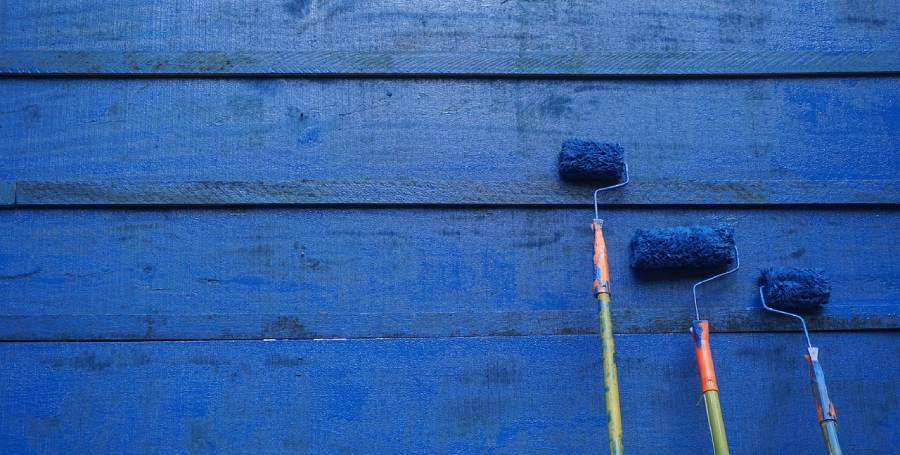
Most business owners see commercial painting as an expense they can delay. Paint looks fine from a distance, right? The building still functions. Customers still walk through the doors. But underneath that seemingly acceptable surface, your property is slowly deteriorating in ways that will cost you far more than a paint job.
Professional painting companies like Kidd’s Home Hardware have seen what happens when business owners treat paint as purely cosmetic. The results are rarely pretty. What starts as a cost-saving decision often becomes a financial nightmare involving structural repairs, lost tenants, and damaged business reputation.
Your building’s paint does more heavy lifting than you realize.
The Protection You Can’t See
Paint isn’t makeup for buildings. It’s armor.
Every square inch of your commercial property faces constant attack from the elements. UV radiation breaks down building materials at the molecular level. Moisture seeps into microscopic gaps and causes wood to rot, metal to rust, and concrete to crack. Temperature changes make materials expand and contract, creating stress fractures that grow larger over time.
Quality paint creates a protective barrier that blocks these destructive forces.
Think about what happens to an unpainted wooden fence after a few years. The wood turns gray, splinters, and eventually rots away. Metal rusts through completely. Concrete develops surface damage that allows water penetration and freeze-thaw cycles to create major structural problems.
Your building materials face the same threats every single day.
A commercial property in Denver learned this lesson the expensive way. The owner delayed exterior painting for five years to save money. When water finally penetrated the failing paint on the building’s wood siding, the repair bill included $75,000 in structural work that could have been prevented with a $15,000 paint job.
The math isn’t complicated. Prevention costs less than replacement.
How Paint Affects Your Bottom Line
Your building’s appearance directly impacts your financial performance in ways you might not track.
Retail businesses see measurable differences in foot traffic based on exterior appearance. A study by the International Council of Shopping Centers found that well-maintained storefronts can increase customer visits by up to 23%. That’s real money walking through your doors.
For office buildings, paint condition affects tenant retention and rental rates. Property management companies report that buildings with fresh, professional appearances command higher rents and experience lower vacancy rates.
Even manufacturing and industrial properties benefit financially from proper paint maintenance. Well-maintained facilities attract better employees and create more favorable impressions with clients, vendors, and regulatory inspectors.
Your paint job is working for you or against you every day. There’s no neutral ground.
The Hidden Costs of Deferred Maintenance
Delaying commercial painting creates costs that compound over time.
- Structural damage happens gradually but accelerates once it starts. Paint failure allows moisture to penetrate building materials. Wood rot spreads from small areas to entire sections. Metal corrosion weakens structural elements. Concrete spalling creates safety hazards and expensive repair requirements.
- Energy costs increase when paint degrades. Faded or damaged exterior coatings reduce a building’s ability to reflect heat and regulate temperature. Your HVAC system works harder and uses more energy to maintain comfortable interior conditions.
- Insurance complications can develop when buildings show obvious maintenance neglect. Some insurance companies factor property conditions into their risk assessments and premium calculations. Poorly maintained buildings may face higher rates or coverage limitations.
- Regulatory issues affect certain types of commercial properties. Healthcare facilities, food service operations, and other regulated businesses must maintain clean, professional appearances to meet compliance requirements.
- Lost opportunities are perhaps the most expensive hidden cost. How many potential customers, tenants, or business partners have you lost to competitors with better-maintained properties?
Industry-Specific Paint Requirements
Different types of commercial properties face unique challenges that make paint more than cosmetic.
- Healthcare facilities must project cleanliness and professionalism to gain patient trust. Peeling or stained paint in a medical environment raises questions about sanitation and attention to detail. Many healthcare properties repaint high-traffic areas annually to maintain the sterile appearance patients expect.
- Food service businesses face health department inspections where paint condition affects scores and licensing. Chipped or peeling paint can harbor bacteria and create food safety violations. The cost of failed inspections and forced closures far exceeds regular paint maintenance.
- Retail and hospitality properties compete partly on atmosphere and customer experience. Paint condition directly affects purchasing decisions and customer satisfaction scores. A shabby appearance suggests poor quality in products or services.
- Professional services like law firms, accounting practices, and consulting companies use their office appearance to signal competence and success. Clients make snap judgments about service quality based on environmental cues including paint condition.
- Manufacturing and industrial facilities benefit from paint’s protective properties more than appearance, but both matter. Well-maintained facilities attract better employees and create favorable impressions with safety inspectors and potential clients.
The Technology Behind Modern Commercial Paint
Paint technology has changed dramatically in recent years, but many property owners still think about it like house paint from decades ago.
Modern commercial paints include advanced chemistry that provides superior protection against specific threats.
- UV-resistant formulations use special pigments and binders that maintain their protective properties under intense sun exposure. These coatings can extend service life by 40-60% in sunny climates.
- Moisture-blocking technology creates barriers that prevent water penetration while allowing buildings to breathe. This prevents trapped moisture problems that cause paint failure from the inside out.
- Anti-microbial additives resist mold and mildew growth, which is especially important in humid climates and high-moisture environments like kitchens and bathrooms.
- Self-cleaning surfaces use photocatalytic technology to break down dirt and organic contaminants. These coatings stay cleaner longer and reduce maintenance requirements.
- Thermal barrier coatings reflect heat and reduce cooling costs. Some formulations can lower surface temperatures by 20-30 degrees, reducing thermal stress on building materials and improving energy performance.
The problem is that these advanced coatings cost more upfront. Many property owners choose cheaper options without understanding the long-term financial impact.
What Happens When You Wait Too Long
Paint failure follows a predictable pattern that accelerates once it starts.
- Stage 1: Fading and chalking reduce the coating’s protective properties while maintaining acceptable appearance from a distance. Most property owners are still comfortable at this stage.
- Stage 2: Cracking and adhesion loss allow moisture penetration and create entry points for further damage. The building still looks okay to casual observers, but trained eyes can see problems developing.
- Stage 3: Peeling and substrate exposure signal that protective failure is complete. Once you reach this stage, you’re looking at surface preparation costs that can double or triple your painting budget.
- Stage 4: Substrate damage requires structural repairs before new paint can be applied. Wood replacement, metal fabrication, and concrete repair can cost 5-10 times more than preventive painting.
The key insight is that stages 1 and 2 offer opportunities for cost-effective intervention. Once you reach stages 3 and 4, you’re in emergency mode with premium pricing and limited options.
Most commercial property owners wait until stage 3 or 4 before taking action. This reactive approach costs far more than proactive maintenance.
The Strategic Approach to Commercial Painting
Smart property owners treat painting as a strategic business investment rather than a maintenance expense.
- Timing matters for both cost control and business impact. Painting during slow seasons can reduce contractor costs and minimize disruption. Planning projects well in advance allows better contractor selection and scheduling flexibility.
- Quality specifications affect long-term performance more than initial cost. Premium paints might cost 30-40% more upfront but can extend service life by 50-70% in harsh environments.
- Scope planning determines whether you get maximum value from your investment. Painting only the most visible areas might save money initially but creates uneven weathering and higher long-term costs.
- Contractor selection impacts both quality and cost. The cheapest bid often becomes the most expensive choice when poor workmanship requires correction or premature repainting.
- Color strategy can improve building performance and reduce maintenance requirements. Light colors reflect heat and stay cleaner longer. Darker colors hide dirt better but may require more frequent repainting in sunny climates.
Your commercial painting project is either protecting your investment and supporting your business goals, or it’s wasting money on cosmetic improvements that won’t last.
The difference lies in understanding that paint is a building system, not just a color choice. When you approach commercial painting strategically, it becomes one of the most cost-effective improvements you can make to your property.
Most commercial property owners discover this truth too late. The smart ones figure it out before their first major repair bill arrives.
Featured Image Source: https://pixabay.com/photos/paint-blue-wall-not-fresh-roller-1262591
