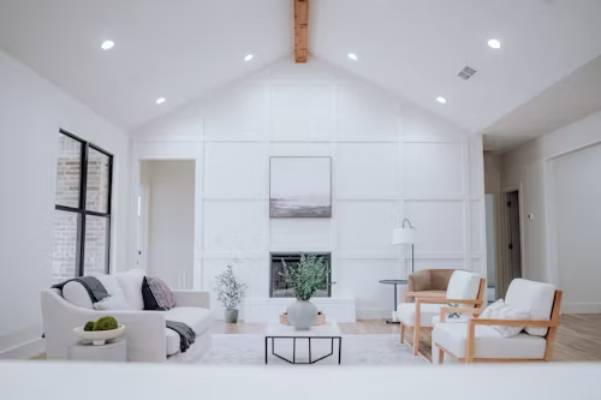
Home design is a popular way to improve the look of a house. Home designers, interior designers, and architects can do it.
Design professionals reveal the colors, materials, and styles that homeowners most request. From layered rugs to teal walls, these ideas will give your home an on-the-pulse, elevated style.
Colors
Color is one of the most important components when designing a home. It can set the mood of a space, make it feel larger or smaller, and attract or repel visitors. It also has a psychological effect on people. Certain colors are soothing, while others can energize.
Limiting your color palette to 3 to 5 shades is a good rule of thumb. Less than that can feel matchy-matchy and more than that could be overwhelming. It’s also important to choose the right proportions for each shade.
Blue is often seen as a soothing shade, which makes it perfect for bedrooms or spaces where people want to relax and unwind. Green hearkens back to nature and symbolizes balance, growth and harmony. Yellow is a vibrant and energetic shade that can energize a room, which is why it’s often used in kitchens or living spaces.
Purple is a dramatic and intense shade that can be used to add interest to a room. It can be a great option for dining rooms or even hallways.
Shapes
Shapes play a large role in the aesthetic of a home and can be utilized throughout furniture, millwork, light fixtures, decorative accessories, and more. Whether they are geometric (squares, triangles, etc.) or organic (round, oval, or freeform shapes), each shape has its own unique effect on the overall feeling of a space.
For example, circular shapes evoke a sense of unity and harmony, which can be perfect for living rooms or other gathering areas. On the other hand, square shapes convey strength and stability, making them a great choice for foundational elements like doors or walls.
Geometric shapes can also be used to add a subtle level of design interest, such as herringbone patterns in floor tile, backsplashes, or upholstery. The use of shapes can also be a good way to define different areas within an open concept floor plan. For example, a curved sofa or unique area rug can help to distinguish a seating area from the rest of the room. You can also use the shape of a light fixture or piece of furniture to draw attention to a focal point, making it easier for people to navigate a large space.
Materials
Materials can play a big role in home design, adding texture and visual interest. Choosing the right material can also make your home more comfortable. There are many different types of materials, from wood and stone to cotton and wool. Different materials will have different effects, so it’s important to experiment with them.
Natural materials are becoming increasingly popular for their warmth and authenticity. They can also add unique textures and a sense of connection to the natural world. In addition, they’re often sustainable and help to reduce a home’s environmental impact.
When it comes to home designs, you need to consider the style and function of a room before selecting the right materials. For example, if you’re designing a kitchen, you’ll want to choose durable materials that can withstand wear and tear. You’ll also want to select materials that are easy to clean and maintain. This will save your clients time and money in the long run.
Patterns
Adding decorative patterns to your home is one of the best ways to express your style. These can be in the form of wallpaper, drapery, upholstery, blankets, and other accessories. They are a great way to add interest and depth to a space, while also creating a focal point. They can also be a great way to introduce color into a room.
When choosing a pattern, it is important to make sure that it is appropriate for the surface on which it will be used. For example, a small floral pattern may look overwhelming on a large area rug. Similarly, an intricate pattern may overwhelm a piece of artwork. The key is to choose a simple pattern that complements the piece it is being used on.
While many people fear mixing patterns, it is a wonderful way to create a unique and bespoke space. Whether you’re a maximalist or prefer a more minimalist approach, there’s a combination of patterns that will suit your personality and reflect your personal style. By carefully combining different motifs and color schemes, you can create a unified and balanced design that will add a beautiful touch to your home.
Lighting
Lighting has a significant role in the overall design of your home. It can accentuate architectural features, highlight focal points, and create a variety of moods. It can also enhance the style of furnishings and add a personal touch to your home.
Lighting also helps to ensure safety in areas like stairs and hallways, reducing the risk of accidents. It also provides flexibility by allowing you to change the color and intensity of the lights depending on your mood and activities.
Accent lighting can highlight a fireplace or artwork while ambient lighting is ideal for the living room. Recessed lights can be used in the kitchen and bathroom, while wall sconces can work well for bedrooms.
An architect or designer should develop a good lighting plan early in your project to avoid delays and keep costs down. This is particularly important if you are going to install an audiovisual system. Consider whether you want the light controls to be part of this system or separate. This will impact where switches are placed.
Featured Image Source: https://images.unsplash.com/photo-1648475237029-7f853809ca14
